Promise vs. Reality: Why Transparency in Programmatic Ads Matters
Programmatic advertising promised a utopian vision: a seamless, automated marketplace where advertisers could find their perfect audience and publishers could monetize every piece of their valuable ad inventory with surgical precision. The reality, however, became a tangled web of intermediaries. The direct line from an advertiser’s budget to a publisher’s revenue became a convoluted journey, with value siphoned off at every turn. This lack of a clear, transparent supply chain created a crisis of confidence. Advertisers questioned where their ad spend was truly going, while publishers wondered why their premium inventory wasn’t commanding its true worth. Transparency isn’t a “nice-to-have”; it’s the bedrock of a healthy market. Without it, performance suffers, and the entire system becomes vulnerable to spend on arbitrage players and fraud.

What is Supply Path Optimization (SPO)?
Supply Path Optimization is a strategy of identifying the most direct, efficient, and transparent routes for a buyer (the advertiser) to reach a seller (the publisher) designed to tackle the complexities and inefficiencies introduced into the programmatic advertising ecosystem, particularly following the widespread adoption of header bidding. Instead of allowing an ad request to bounce between countless unnecessary intermediaries – each taking a cut and muddying the data – SPO carves a clean, streamlined path. Think of it as finding the superhighway instead of getting lost on winding, toll-ridden back roads. For an advertiser’s Demand-Side Platform (DSP), it means choosing to buy a specific publisher’s ad inventory from the one or two Supply-Side Platforms (SSPs) with the most direct and highest-quality connections, rather than bidding on the same impression from 10 different sources.
Importance for Both Publishers and Advertisers
SPO brings clear, measurable benefits to both advertisers and publishers.
- For advertisers, SPO ensures a greater portion of their budget reaches publishers, meaning more money is spent on actual ad impressions. This translates to improved campaign performance, reduced risk of ad fraud, and clear visibility into ad placements.
- For publishers, it stakes a claim for the true value of their inventory. By minimizing intermediaries and working directly with high-quality SSPs, publishers attract premium advertisers, increase demand, and boost CPMs. SPO’s efficiency directly leads to higher revenues and more sustainable growth for both parties, making it an essential strategy in modern digital advertising.
Why Programmatic Players Need SPO
The programmatic supply chain, in its unoptimized state, is a complex and inefficient system. What should be a simple transaction between advertiser and publisher has evolved into a multi-layered, often opaque process. This is the environment that saps budgets, diminishes publisher earnings, and creates fertile ground for fraud. Grasping this complexity isn’t just an academic exercise; it’s the crucial first step toward mastering the solution.
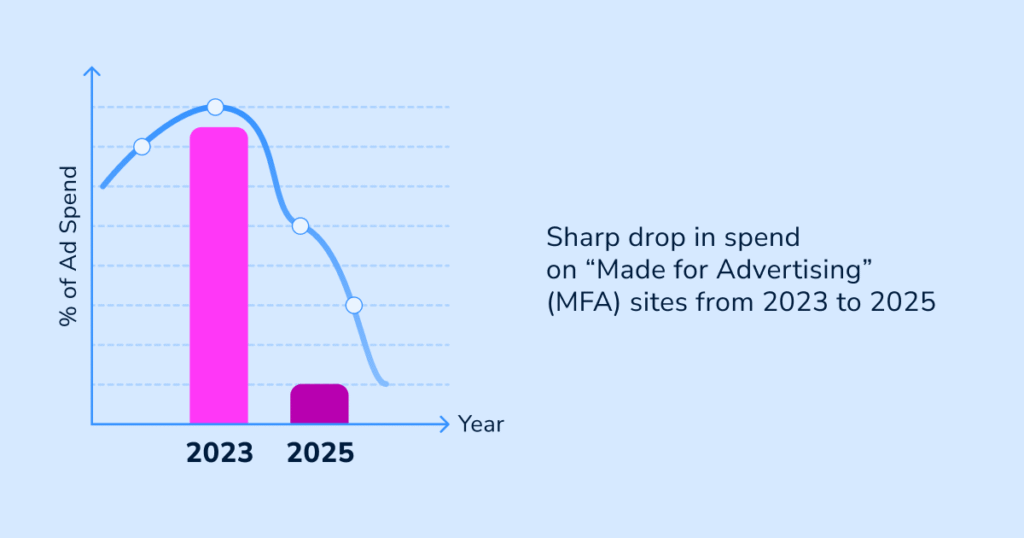
The programmatic dream of automation ironically led to a human-like problem: too many cooks in the kitchen. In the race for reach and revenue, a multitude of intermediaries wedged themselves into the supply chain. A single publisher might work with a dozen or more Supply-Side Platforms (SSPs) to sell their ad inventory. Each of these SSPs, in turn, might work with various resellers and ad exchanges. On the other side, an advertiser’s Demand-Side Platform (DSP) sees the same single ad impression opportunity offered through countless different paths. This fragmentation is the root cause of the problem. Some industry studies have shown that a single impression can have as many as 600 potential paths from publisher to advertiser. This creates a noisy, duplicative, and bewildering auction environment where identifying the true, original source of the inventory becomes a monumental challenge.
Ad Spend Waste and Inefficient Bidding
Each intermediary – every SSP, exchange, or reseller – takes a fee. When an advertiser’s dollar begins its journey, a portion is shaved off at each step. By the time it reaches the publisher, it can be a fraction of its original value. This is the silent killer of campaign performance. Furthermore, the complexity creates massive bidding inefficiencies. A DSP might end up bidding against itself for the same impression offered through different channels. The rise of header bidding, a technology that increases publisher yield by allowing multiple demand sources to bid simultaneously, exacerbated this issue. Without SPO, DSPs are flooded with redundant bid requests for the same single impression, wasting computational resources and driving up infrastructure costs, which are ultimately passed on to the advertiser. This isn’t just inefficiency; it’s a systemic drain on the entire digital advertising economy.
The Transparency Gap: Visibility Issues for Both Sides
This convoluted supply chain creates a dense fog that obscures visibility for everyone. Advertisers struggle to answer a fundamental question: “Where did my money actually go?” They lose sight of the fees being taken along the way and, more alarmingly, can lose certainty about which publisher’s site their ad ultimately appeared on. This lack of transparency makes it nearly impossible to accurately measure campaign ROI and assess the quality of the purchased inventory. Publishers face a similar dilemma. They see demand coming from various sources, but can’t easily discern which paths attract high-quality advertisers and which merely resell their inventory at lower prices. This “transparency gap” prevents both parties from making informed, strategic decisions, trapping them in a cycle of inefficient, opaque transactions.
Battling Ad Fraud and Low-Quality Inventory
Where there is complexity and a lack of transparency, fraud thrives. Malicious actors exploit the convoluted supply chain to inject fraudulent inventory, such as impressions from bots or non-viewable ad placements. They can disguise low-quality inventory as premium by misrepresenting domains or creating spoofed sites. For an advertiser, bidding on an impression through a long, non-transparent chain dramatically increases the risk of their ad spend being wasted on this type of fraud. The more intermediaries involved, the harder it is to trace the inventory back to its legitimate source. SPO acts as a powerful disinfectant. By prioritizing short, transparent, and direct paths, advertisers can significantly reduce their exposure to fraud and ensure their campaigns are running on legitimate, high-quality publisher sites, protecting both their budget and their brand’s reputation.
Core Concepts and How SPO Works
Supply Path Optimization is not a magic black box; it’s a logical, strategic, and data-driven methodology. It’s about applying intelligence and intention to the programmatic buying process. By understanding its core objectives and mechanics, both publishers and advertisers can begin to see the clear, efficient, and profitable future it enables. Let’s demystify the engine of this programmatic revolution.
Defining Supply Path Optimization (SPO) and its Objectives
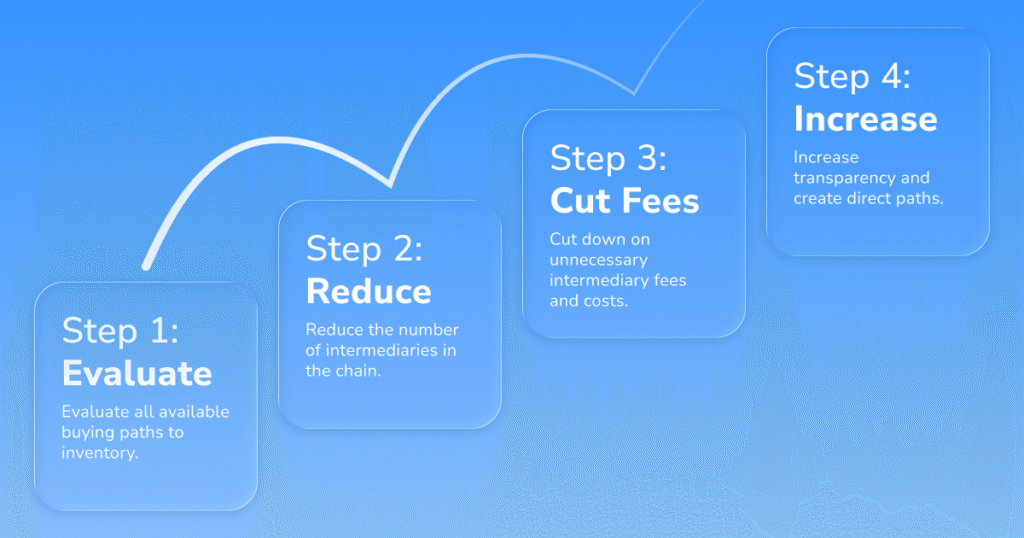
Supply Path Optimization (SPO) is the practice used by Demand-Side Platforms (DSPs) and advertisers to identify and prioritize the most efficient and direct routes to a publisher’s ad inventory. It is an algorithmic, analytical process designed to eliminate redundant, low-value intermediaries from the programmatic supply chain. The primary objectives are threefold and passionately pursued:
- Maximize Efficiency: To ensure that the largest possible portion of an advertiser’s ad spend reaches the publisher, thereby increasing the “working media” budget that actually pays for an impression.
- Enhance Transparency: To gain complete visibility into the supply chain, understanding every participant involved in a transaction, the fees they charge, and the ultimate source of the inventory.
- Improve Performance: To boost campaign effectiveness by accessing higher-quality inventory, reducing fraud, and making smarter, data-rich bidding decisions.
Ultimately, SPO transforms programmatic buying from a blind auction into a strategic procurement process.
The Mechanics of SPO: Reducing Hops, Maximizing Value
The “how” of SPO is a beautiful blend of technology and strategy. On a technical level, DSPs analyze vast amounts of bid request data to map all possible paths to a specific publisher’s inventory. They analyze signals in the bid stream, such as data from the SupplyChain Object (more on that later), to identify all the intermediaries involved.
The core mechanic is consolidation. Instead of seeing the same impression available from ten different SSPs and resellers, the DSP’s SPO algorithm intelligently selects the best one or two paths. This selection is based on critical factors:
- Directness: Is the path a direct connection to the publisher’s ad server, or does it involve multiple resellers? Direct paths are almost always preferred.
- Cost-Effectiveness: Which path has the lowest aggregate fees, ensuring more of the bid price goes toward winning the impression?
- Data Integrity: Which path provides the most complete and accurate information about the user and the placement?
- Win Rate: Historically, which path has resulted in a higher likelihood of winning the auction for a given bid?
By “pruning” these inefficient paths, the DSP reduces the number of “hops,” focuses its bidding power, and maximizes the value of every dollar spent. It’s a ruthless pursuit of efficiency that benefits the entire clean ecosystem.
SPO vs. DPO: Understanding the Complementary Strategies
It’s crucial to distinguish Supply Path Optimization (SPO) from its publisher-side counterpart, Demand Path Optimization (DPO). While they are two sides of the same coin, their focus is different.
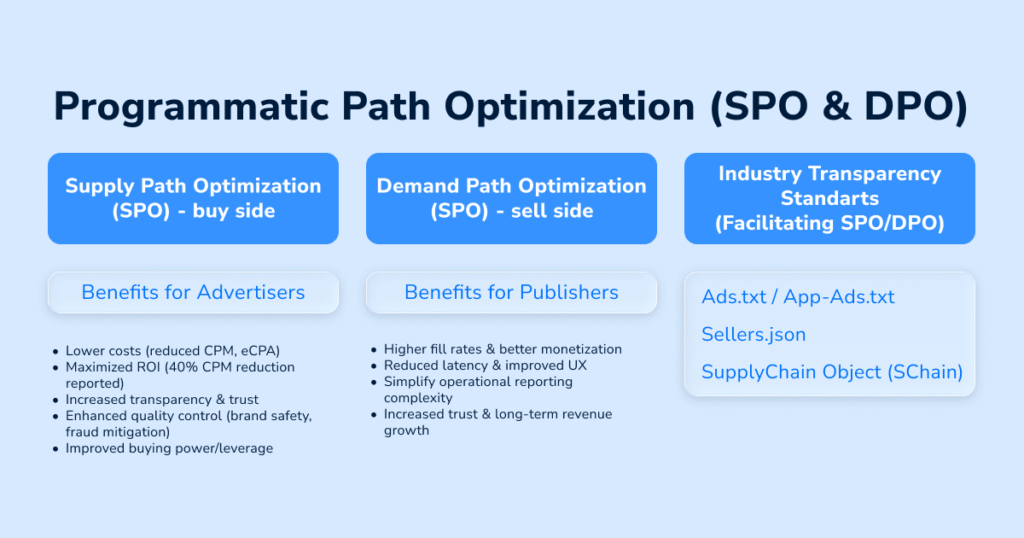
- SPO (Supply Path Optimization) is a buy-side initiative. It is performed by advertisers and their DSPs to clean up the paths through which they buy inventory. The goal is to find the best route to the supply.
- DPO (Demand Path Optimization) is a sell-side initiative. It is performed by publishers to manage and optimize the partners they use to sell their inventory. The goal is to ensure they are working with demand partners who bring unique, high-value bids and not just redundant demand.
They are magnificently complementary. When a publisher practices good DPO by consolidating their SSP partners and focusing on quality, they make it infinitely easier for an advertiser to practice good SPO. When both sides are actively optimizing their respective paths, the result is a truly streamlined, transparent, and efficient marketplace where premium demand seamlessly connects with high-quality inventory, creating maximum value for all.
How Publisher Can Maximize Revenue and Control with SPO
For too long, publishers have felt at the mercy of the programmatic ecosystem, often forced to integrate countless demand partners in a desperate chase for revenue, only to see yields stagnate and complexity spiral out of control. Supply Path Optimization is your declaration of independence. It is the guide that allows you, the publisher, to reclaim control, showcase the true value of your ad inventory, and forge powerful, profitable relationships with premium buyers. This isn’t about limiting opportunity; it’s about concentrating it. It’s a passionate call to arms for every publisher seeking to build a sustainable, thriving digital media business.
Consolidating SSPs and Streamlining Demand
The old mantra was “more is better.” Publishers integrated numerous SSPs, hoping to create more competition for their inventory. However, this often led to the opposite effect: bid duplication and price confusion, with the same demand appearing across multiple channels, providing no incremental value. The modern, SPO-aligned publisher understands that “better is better.” This means conducting a thorough audit of all your SSP partners. Ask the tough questions:
- Which partners bring unique, incremental demand from high-quality advertisers?
- Which partners are simply reselling demand from other sources?
- Which partners offer the best technology, service, and transparency?
By consolidating to a smaller, more strategic set of high-performing SSPs, you create a cleaner signal to the buy-side. You make your inventory easier to find and more desirable for DSPs executing SPO strategies. This strategic consolidation – a core tenet of Demand Path Optimization (DPO) – is the first and most critical step to attracting and retaining high-value programmatic ad spend.
Enhancing Inventory Transparency and Quality
In the world of SPO, transparency is your most valuable currency. Advertisers are actively seeking clarity and are willing to pay a premium for it. Your mission is to make your ad inventory as transparent and verifiable as possible. This starts with the meticulous implementation of industry standards. Faithfully maintain your ads.txt (for web) or app-ads.txt (for mobile apps) files. These simple text files are a public declaration of all the companies you authorize to sell your inventory. They are a primary tool used by DSPs to verify that they are buying from a legitimate source and to filter out unauthorized resellers. Beyond this, focus on quality. Ensure your ad placements are viewable, your site is free of fraudulent traffic, and you provide rich, accurate data about your content and audience. A high-quality, fully transparent inventory is a magnet for the sophisticated, SPO-driven ad spend you want to attract.
Fostering Direct Relationships: Programmatic Direct Deals & PMPs
SPO is fundamentally about creating shorter, more direct paths. What could be more direct than a relationship you build yourself? While the open auction is a powerful tool for monetization, the pinnacle of an SPO-aligned strategy is cultivating direct deals. Programmatic Guaranteed (PG) and Private Marketplace (PMP) deals allow you to build direct commercial relationships with top advertisers and agencies. These deals offer buyers unparalleled transparency, priority access to your best ad inventory, and brand-safe environments. For you, the publisher, they provide predictable revenue streams, higher CPMs, and the opportunity to showcase the unique value of your audience directly to the buyer. Proactively reach out to your SSP partners and ask them to help facilitate these PMP deals. Market your direct-deal capabilities to advertisers. This proactive approach transforms you from a passive seller of impressions into a strategic business partner.
Leveraging Data and Technology for Optimized Supply
Your ad server and SSP partners are not just pipes for demand; they are powerful data platforms. Dive into the analytics they provide. Use the data to understand which advertisers are buying your inventory, through which paths, and at what price. Identify your most valuable partners and inventory segments. This intelligence is crucial for your DPO strategy, allowing you to make informed decisions about which partners to prioritize and which to prune. Work with your technology partners to understand their SPO initiatives. Ask them how they are positioning your inventory to buyers who are optimizing their supply paths. A truly collaborative relationship with your core technology providers, fueled by shared data and strategic alignment, is essential. By leveraging technology and data, you can continuously refine your supply strategy, ensuring you are always presenting the most valuable, efficient, and attractive path to the world’s best advertisers.
Driving ROI and Performance for Advertisers with SPO
Supply Path Optimization is strategic weapon to slash waste, amplify performance, and bring radical transparency to your digital advertising efforts. It’s a passionate commitment to ensuring every dollar you invest works harder for you.
Vetting Supply Paths and Prioritizing Direct Connections
The foundational act of SPO for an advertiser is a ruthless audit of your supply. Your DSP is your primary partner in this endeavor. Work closely with them to analyze the paths you use to buy inventory. The goal is to move away from long, convoluted chains involving multiple resellers and toward direct connections with publishers via their chosen SSPs. Prioritize buying from SSPs with a “direct” or “seller ID 0” relationship to the publisher, as indicated in their sellers.json file. A direct path means fewer fees are siphoned off, the data accompanying the impression is more likely to be accurate, and the risk of fraud is dramatically lower. This isn’t about limiting your reach; it’s about improving the quality of your reach and the efficiency of your ad spend.
Demanding Transparency: Utilizing ads.txt, sellers.json, and the SupplyChain Object
Advertisers have powerful tools at their disposal to enforce transparency! These are not optional settings; they are fundamental to a modern, secure buying strategy.
- ads.txt / app-ads.txt: Configure DSP to only buy inventory from sources that are authorized in a publisher’s ads.txt or app-ads.txt file. This is a first line of defense against domain spoofing and unauthorized inventory sales. If a seller isn’t listed, don’t buy from them.
- sellers.json: This file, maintained by SSPs, provides transparency into their own inventory sources. It allows to see whether the SSP advertiser is buying from has a direct relationship with the publisher or is sourcing it from another intermediary. Use this data to prioritize direct sellers.
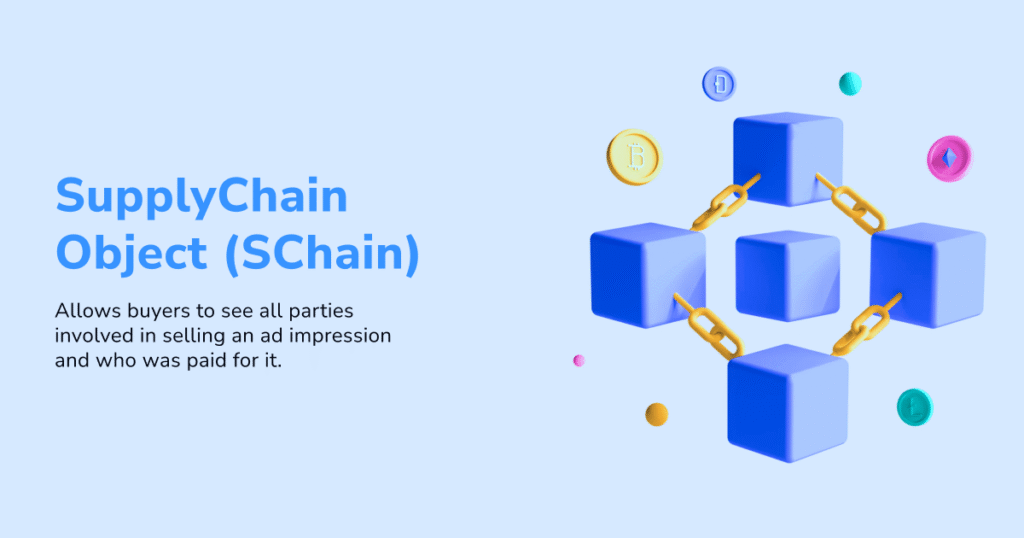
- SupplyChain Object: This is an OpenRTB protocol feature that passes a record of all intermediaries involved in the sale of an impression directly within the bid request. It’s like a certified ledger for the ad transaction. Work with your DSP to leverage this object to gain full visibility into the supply path and use this data to inform your SPO algorithms.
Demanding and adopting these standards is how you turn on the lights in the programmatic supply chain.
Optimizing Bid Strategies for Cleaner Inventory
SPO isn’t just about choosing paths; it’s about how you bid within those paths. Once you’ve identified your preferred, high-quality supply paths, you can adjust your bidding strategy accordingly. For these clean, direct paths, you can often bid more aggressively because you have higher confidence in the quality of the inventory and know that more of your bid is reaching the publisher. This increases your win rate for premium impressions. Conversely, for longer, less transparent paths (if you choose to bid on them at all), you might employ a more conservative bidding strategy to account for the higher risk and hidden fees. This dynamic approach ensures you pay the right price for the right quality, directly linking your SPO strategy to your campaign performance goals.
Enhancing Brand Safety and User Experience
A clean supply path directly translates into a safer, better environment for your brand. When you buy through long, opaque chains, you significantly increase the risk that your ads will appear on low-quality, non-brand-safe sites or be served in intrusive, user-hostile formats. These placements not only waste your ad spend but can actively damage your brand’s reputation. SPO mitigates this risk by focusing your buying on reputable publishers with whom you have a clear and verifiable connection. This results in your ads being shown to real humans in high-quality contexts, protecting your brand and improving the user experience, leading to better engagement and higher conversion rates for your campaign.
How can advertisers troubleshoot low performance issues related to supply path inefficiencies?
When a campaign is underperforming, advertisers often jump to creative or audience targeting issues. However, the supply path is a frequent and overlooked culprit. To troubleshoot, start a systematic investigation:
- Analyze Path Reports: Dive into DSP’s reporting. Look at performance metrics (such as CTR, CPA, and viewability) broken down by supply path or SSP. Are certain paths consistently underperforming?
- Check for Bid Duplication: Bidding on the same publishers through multiple SSPs? You may be driving up your own costs. Consolidate buying for a specific publisher onto one or two SSPs that deliver the best performance and the most direct connection.
- Verify with Transparency Tools: Cross-reference your delivery reports against ads.txt and sellers.json. Are you buying from unauthorized sellers? Are your top-spending paths full of intermediaries? This is a red flag for fraud and inefficiency.
- Isolate High-Fraud/Low-Viewability Paths: Use your fraud detection and viewability measurement partners to identify which supply paths have the highest rates of invalid traffic or non-viewable impressions. Create exclusion lists to block these low-quality sources immediately.
- Consult Your DSP Partner: Treat your DSP as a strategic consultant. Present your findings and ask them to help diagnose the issue. They have a wealth of data and powerful SPO tools to help identify and eliminate inefficient supply that is dragging down your campaign performance.
By treating the supply path as a primary performance lever, you can unlock significant gains that targeting and creative optimizations alone could never achieve.
Essential for Effective SPO Implementation
Supply Path Optimization is not just a theoretical strategy; it is a practical discipline enabled by a suite of powerful industry standards and platform features. These tools are the gears and levers that allow both advertisers and publishers to bring transparency and efficiency to the programmatic supply chain. Mastering them is essential for anyone serious about executing a successful SPO strategy. They provide the data, verification, and control needed to navigate the ecosystem with confidence and precision.
DSP & SSP Technologies Facilitating SPO
The platforms at the heart of programmatic trading – Demand-Side Platforms and Supply-Side Platforms – have embraced SPO by building powerful features directly into their technology.
- On the DSP side: Leading DSPs have developed sophisticated SPO algorithms that automatically analyze bid streams to identify the most efficient paths. They provide advertisers with detailed reporting that breaks down performance by supply path, SSP, and publisher. They offer controls to automatically enforce ads.txt authorization and allow buyers to create inclusion or exclusion lists based on path characteristics. Many have user interfaces that allow traders to set specific SPO goals, such as “prioritize direct paths” or “minimize intermediary fees.”
- On the SSP side: Forward-thinking SSPs facilitate SPO by focusing on building direct, high-quality integrations with publishers. They provide tools for publishers to manage their ads.txt files and DPO settings. They work diligently to ensure the data they pass in the bid stream, including the SupplyChain Object, is accurate and complete. By championing transparency and efficiency, these SSPs make themselves more attractive partners for SPO-focused DSPs, creating a virtuous cycle that benefits the entire clean ecosystem.
Final Thoughts
The programmatic landscape is at a critical inflection point. The era of tolerating opacity, waste, and inefficiency is over. Supply Path Optimization is no longer a niche strategy for the technically savvy; it is the essential doctrine for success and survival in modern digital advertising. For advertisers, it is the key to unlocking the true potential of your ad spend, transforming your campaigns from hopeful gambles into precision-guided performance instruments. For publishers, it is the path to reclaiming the inherent value of your content and audience, building a sustainable business on a foundation of quality and trust.
The journey to an optimized supply path is continuous, built on a passionate commitment to transparency, collaboration, and ruthless efficiency. It requires you to leverage the powerful tools at your disposal – from ads.txt and sellers.json to the deep analytical capabilities of your platform partners. It demands that you ask tough questions, challenge the status quo, and prioritize direct, clean, and value-driven relationships.
The future of our industry will not be defined by those who navigate the maze, but by those who dismantle it. By embracing the principles in this guide, you are not just optimizing a campaign or a revenue stream; you are actively building a better, more transparent, and more powerful digital advertising ecosystem for everyone. The path is clear. The tools are in your hands. Now is the time to act.